
Understanding Sports Broadcasting
What is Sports Broadcasting?
Sports broadcasting encompasses the production and distribution of live sports events and related programming across various platforms such as television, radio, and the internet. It serves as a vital medium that connects fans with their favorite sports through commentary, analysis, and live coverage. As a dynamic field, Sports Broadcasting has evolved significantly with advancements in technology, shaping how audiences engage with sporting events.
The Importance of Sports Broadcasting
Sports broadcasting plays a crucial role in promoting athletic events and athletes while cultivating community engagement and sports culture. It provides visibility to lesser-known sports and athletes, which can be pivotal for sponsorship and growth. Additionally, sports broadcasting generates substantial revenue through advertising, subscriptions, and merchandise sales. Through engaging broadcasts, audiences not only witness events but also develop emotional connections with teams and athletes, which is essential for fan loyalty.
History of Sports Broadcasting
The history of sports broadcasting dates back to the early 20th century when sporting events were first relayed via radio. Over the decades, significant advancements saw television emerge as the primary platform. The iconic 1936 Berlin Olympics marked one of the first televised major sporting events, revolutionizing how audiences accessed sports content. The introduction of cable and satellite expanded broadcasting reach, while the internet’s arrival in the late 20th century opened new doors for live streaming and on-demand content. This historical context sets the stage for understanding the continually evolving landscape of sports broadcasting.
Key Elements of Sports Broadcasting
Production Techniques for Quality Content
Achieving high-quality sports broadcasting demands a combination of skilled personnel, advanced technology, and meticulous planning. Key production techniques involve multiple camera angles for comprehensive coverage, real-time graphics for statistics and score updates, and effective sound design. The role of the director is vital in orchestrating live events, ensuring that impactful moments are captured and highlighted. Good producers also emphasize storytelling, seamlessly intertwining athlete narratives and rivalries to engage viewers deeply.
Covering Major Sports Events
Covering major sports events like the World Cup or the Olympics requires extensive preparation. Broadcasters must coordinate with organizing committees, secure rights to the event, and ensure that they have the necessary infrastructure in place. This includes deploying a team to the location, setting up broadcasting equipment, and preparing for unpredictable elements, such as weather or technical issues. Coverage often features expert commentary, interviews, and fan interactions, enhancing the viewing experience.
Role of Technology in Sports Broadcasting
Technology has revolutionized sports broadcasting through innovations such as high-definition (HD) and 4K resolution, instant replay systems, and augmented reality (AR) elements. Virtual graphics showcase analysis in real-time, aiding viewers’ comprehension of complex plays. Additionally, online streaming platforms and mobile applications provide viewers multiple options for accessing live sports and highlights. The adoption of artificial intelligence (AI) offers enhanced data analysis, audience insights, and personalized content delivery, shaping the future of how sports are consumed.
Innovative Trends in Sports Broadcasting
Live Streaming vs. Traditional Broadcasting
Live streaming has emerged as a significant competitor to traditional broadcasting methods, with platforms like YouTube and Twitch gaining traction among younger audiences. This trend allows for greater audience interactivity, enabling fans to engage in real-time discussions and share their experiences. While traditional broadcasting caters to established audiences, live streaming offers flexibility and accessibility, catering to on-demand consumption. This shift reflects a changing landscape in how sports audiences prefer to engage with content.
Interactive Viewing Experiences
Interactive viewing experiences define the modern sports broadcasting landscape. Features such as multiple camera angles, integrated social media feeds, and real-time polls engage viewers actively. Broadcasters are beginning to incorporate augmented reality and virtual reality, allowing fans to immerse themselves in the event. These innovations provide deeper engagement and personalized experiences, catering to individual preferences and enhancing the overall enjoyment of the sports event.
Impact of Social Media on Sports Broadcasting
Social media platforms have had a profound impact on sports broadcasting, serving as a major channel for content distribution and fan interaction. Broadcasters utilize platforms like Twitter, Instagram, and Facebook to share highlights, commentary, and behind-the-scenes content, building a robust online community. Moreover, social media engagement boosts viewership numbers, with live discussions and viral moments driving audiences to traditional broadcasts, demonstrating a symbiotic relationship between social media and sports broadcasting.
Challenges in Sports Broadcasting
Regulatory Issues in Broadcasting
Sports broadcasting is subject to various regulatory frameworks concerning rights management, content distribution, and advertising regulations. Navigating complex broadcasting rights agreements can pose significant challenges, especially with international events. Compliance with local regulations is necessary to avoid legal confrontations, requiring broadcasters to stay informed and adapt their strategies accordingly. Striking a balance between compliance and profitability is essential for long-term success in sports broadcasting.
Adapting to Changing Audience Preferences
As audience preferences evolve, sports broadcasters must continuously adapt their strategies to stay relevant. Increasingly, younger audiences favor instant access to content via streaming platforms over traditional television. Understanding shifts in behavior, including shorter attention spans, necessitates dynamic content presentation and enhanced interactivity. Broadcasters need to utilize data analytics to gather audience insights and tailor content to meet the growing demand for personalized experiences.
Managing Broadcasting Rights
Managing broadcasting rights is a pivotal yet challenging facet of sports broadcasting. Broadcasters must secure rights for various sports leagues and events, which often involve competitive bidding processes. Ensuring exclusive rights can lead to substantial viewership and revenue; however, the landscape is highly dynamic. Negotiating contracts and understanding the intricacies of rights distribution is critical. These constraints can dictate coverage quality, affecting viewer accessibility and satisfaction.
Future of Sports Broadcasting
Predicted Innovations & Changes
The future of sports broadcasting is expected to witness remarkable innovations driven by advancements in technology and shifting consumer behaviors. Developments in AI and machine learning will likely personalize content delivery, while blockchain technology could streamline rights management and content monetization. Predictions indicate that immersive experiences, including AR and VR, will become commonplace, allowing fans to enjoy sports events in novel ways. This necessitates a forward-thinking approach from broadcasters as they adapt to anticipated changes.
Viewer Engagement Strategies
Viewer engagement will remain crucial for sports broadcasters aiming to foster loyalty and expand their audience base. Implementing strategies such as interactive content, gamification, and personalized recommendations will enhance viewer experiences. Integrating chat functionalities or fan polls during live events can create an interactive environment that encourages participation. Additionally, fostering a sense of community through social media groups and online platforms can cultivate relationships beyond conventional broadcasting, yielding higher viewer retention rates.
Embracing Diversity in Sports Broadcasting
Embracing diversity in sports broadcasting is essential to reflect the audience’s demographic landscape. Broadcasters must prioritize inclusive representation in sportscasting, introducing diverse voices and perspectives to enrich content. This commitment not only enhances relatability but also acknowledges the multifaceted identities within the sports community. By prioritizing diversity, broadcasters can reach broader audiences and foster inclusive environments that resonate with various viewers.
FAQs
What is sports broadcasting?
Sports broadcasting refers to the live telecasting and reporting of sports events on television, radio, and the internet, connecting fans with their favorite sports.
How has technology impacted sports broadcasting?
Technology has revolutionized sports broadcasting through high-definition viewing, instant replays, and real-time statistics, enhancing audience engagement and experience.
What are the main challenges of sports broadcasting?
Main challenges include navigating regulatory issues, adapting to audience preferences, and managing broadcasting rights amid competition.
What are the future trends in sports broadcasting?
Future trends include increased interactivity via social media integration, the use of AI for personalized content, and more immersive experiences using AR and VR technology.
Why is diversity important in sports broadcasting?
Diversity ensures that various voices are represented in sports media, enriching viewer engagement and fostering a sense of belonging within the sports community.
Related Posts
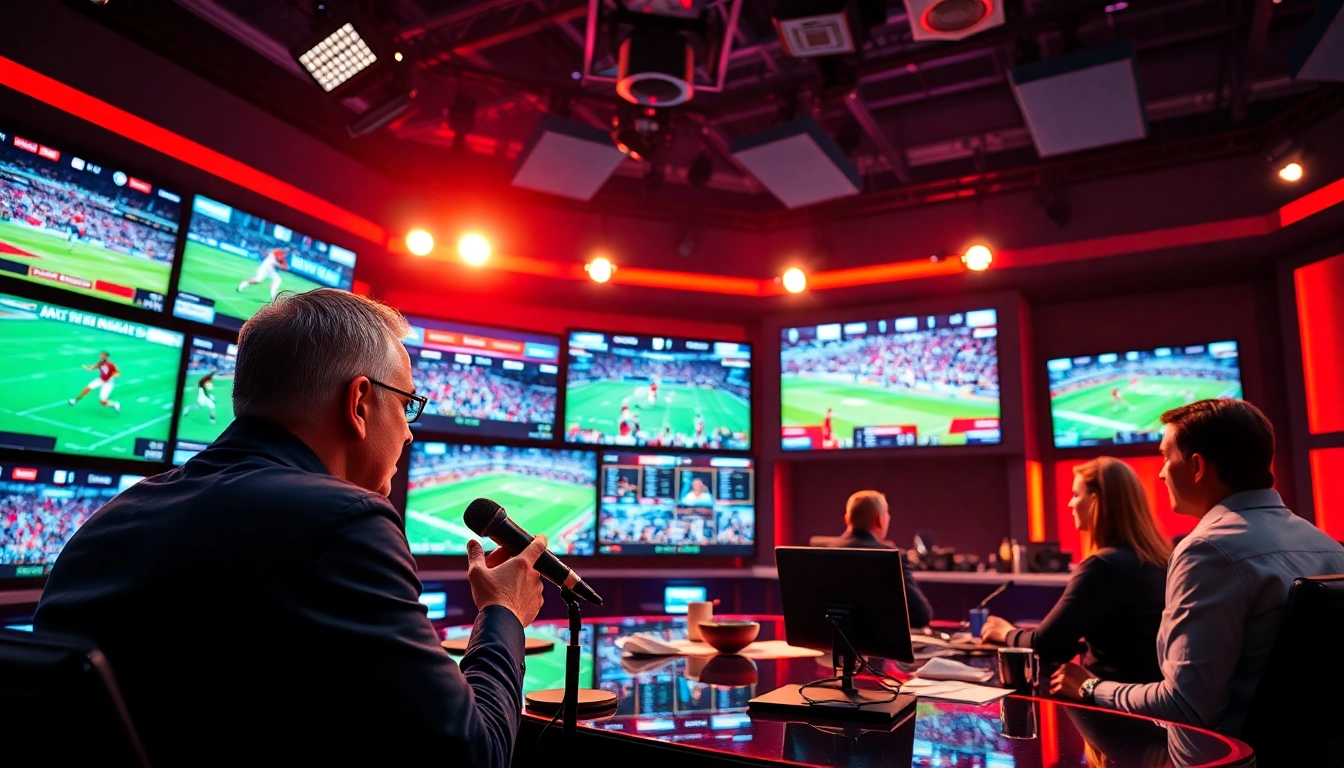
Mastering Sports Broadcasting: Techniques, Innovations, and Insights
Understanding the Landscape of Sports Broadcasting Sports broadcasting has evolved…

Mastering Online Betting: Your Comprehensive Guide to Winning Strategies
Understanding Online Betting Basics Online betting has revolutionized the gambling…

Mastering Sports Betting: Strategies, Tips, and Insights for Enthusiasts
Understanding Sports Betting Basics What is Sports Betting? Sports Betting…